When planning a new sports court, one of the first decisions is whether the facility should be built indoors or outdoors. Both options can provide a high-quality environment for sport, but they involve different construction requirements and offer different advantages.
For schools, clubs, private facilities and other organisations in Sussex, choosing between an indoor and outdoor sports court should be based on how the facility will be used, the available space and the level of year-round access required.
How Do Indoor and Outdoor Courts Differ?
The biggest difference is the environment in which the court is constructed. An outdoor court is exposed to rainfall, sunlight, temperature changes and other weather conditions. An indoor court is protected by a surrounding structure, creating a more controlled playing environment.
This affects not only how the court is used but also how the project needs to be planned and constructed.
Advantages of Outdoor Sports Courts
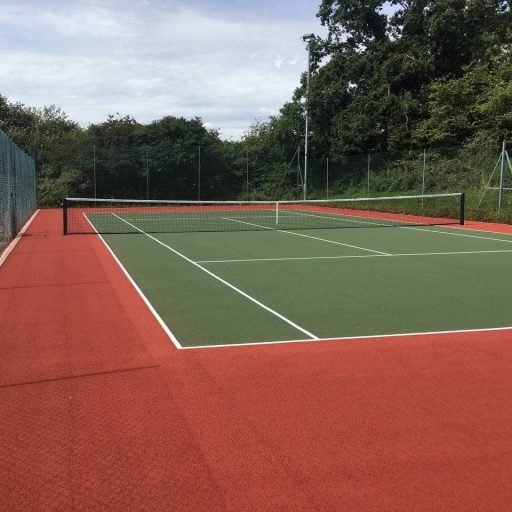
Outdoor courts are a popular choice where there is suitable open space available. They can provide a dedicated area for tennis and other sports without requiring a large enclosed building.
A well-designed outdoor court can also become a valuable part of an existing recreational area. The court surface, drainage, fencing, access and surrounding ground can all be considered as part of the overall design.
For properties in Sussex, proper drainage is particularly important when planning an outdoor court. Rainwater needs to be managed effectively so that the playing surface remains suitable for use and does not suffer from avoidable water-related problems.
Advantages of Indoor Sports Courts
Indoor construction provides greater protection from changing weather conditions. This means sporting activities can take place without being directly affected by rain or other outdoor conditions.
An indoor facility can also provide greater control over the playing environment. Lighting, ventilation and temperature can be considered as part of the overall facility design.
For organisations that require consistent access to a court throughout the year, this can be a significant advantage.
Construction Considerations for Outdoor Courts
Outdoor sports court construction requires careful attention to the ground beneath the playing surface. A suitable foundation and properly prepared sub-base are essential for creating a stable court.
Drainage is another major consideration. Poor drainage can result in standing water and may affect the performance and condition of the playing surface.
The surrounding areas also need to be considered. Fencing, access routes, landscaping and the positioning of the court can all influence how practical and safe the completed facility is.
Construction Considerations for Indoor Courts
Indoor sports court construction involves many of the same fundamental requirements as outdoor construction, including a stable foundation and a correctly specified playing surface. However, additional elements need to be incorporated into the building itself.
Lighting is particularly important because players need consistent visibility across the court. Ventilation and internal conditions also need to be considered to create a comfortable environment.
The building must provide sufficient clearance around and above the court so that players can use the space without unnecessary restrictions.
Which Option Is More Suitable for Your Needs?
The right choice depends largely on how the court will be used.
An outdoor court may be suitable when there is sufficient available space and the facility is intended primarily for recreational or seasonal use. It can provide a dedicated sporting area while making effective use of existing outdoor space.
An indoor court may be more appropriate where reliable year-round access is a priority. It can offer greater protection from weather conditions and provide a more controlled playing environment.
The decision should also consider the intended sport, frequency of use, available space and the type of facility being developed.
Why Professional Court Construction Matters
Regardless of whether a court is indoors or outdoors, professional planning and construction are important. Small problems with levels, drainage, foundations or surface installation can affect how the finished court performs.
A professional contractor can assess the proposed site, identify potential construction issues and recommend a suitable approach based on the intended use.
For tennis courts in particular, accurate dimensions, appropriate surfacing, effective drainage and quality finishing all contribute to a reliable playing environment.
Planning a Sports Court in Sussex
Before construction begins, it is worth considering the complete project rather than focusing only on the playing surface. Access, surrounding space, drainage, fencing, lighting and long-term use can all influence the design.
A properly planned court should work as part of the wider property and provide a practical environment for the people who will use it.
Conclusion
Both indoor and outdoor sports courts can provide excellent facilities when they are correctly designed and constructed. Outdoor courts offer an open-air sporting environment, while indoor courts provide greater protection from changing conditions and more control over the playing environment.
For anyone planning tennis court construction in Sussex, choosing the right option starts with understanding the site and how the finished facility will be used. Tennis Court Construction Sussex can assess your requirements and help develop a suitable approach for your project. Contact us to discuss your plans and arrange an assessment.
Call us on: 01892 351125
Click here to find out more about Tennis Court Construction Sussex
Click here to complete our contact form and see how we can help with your courts needs.