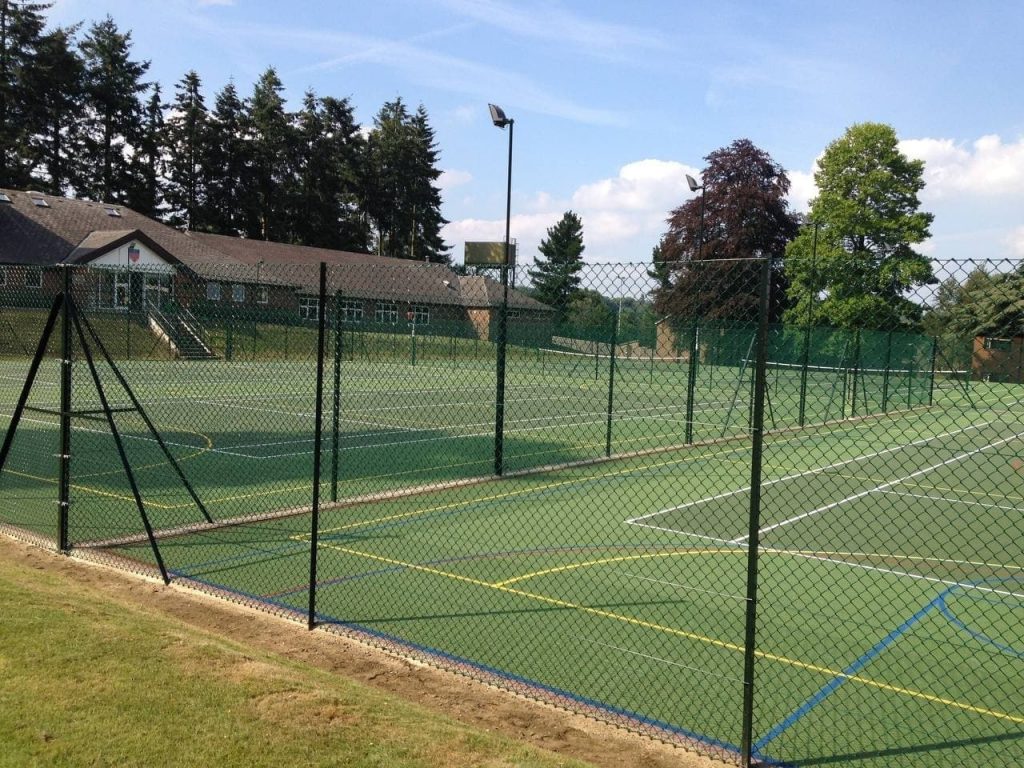
A well-constructed tennis court does more than provide a place to play. It influences how the ball bounces, how players move, how confidently they can change direction and how consistently they can develop their skills. When a court has uneven surfaces, poor drainage or an unsuitable playing surface, these problems can affect both enjoyment and performance.
Professional tennis court construction focuses on creating a playing environment that is consistent, durable and suited to its intended use. For clubs, schools, sports facilities and private property owners across the UK, getting the construction right from the beginning can make a meaningful difference to the quality of play.
A Consistent Surface for More Predictable Ball Bounce
Consistent ball bounce is essential for enjoyable and competitive tennis. Players need to judge the height and direction of the ball accurately so they can position themselves and prepare their shots.
If a court contains dips, raised areas or irregularities, the ball may bounce unpredictably. This can disrupt rallies and make it more difficult for players to practise reliable techniques.
Professional tennis court construction begins with careful ground preparation and accurate surface installation. Creating an even playing area helps provide more predictable ball response, allowing players to focus on movement, timing and shot placement rather than compensating for defects in the court.
Better Traction and Player Movement
Tennis involves frequent acceleration, sudden stops, lateral movement and changes of direction. The playing surface needs to provide appropriate grip while allowing players to move naturally.
The choice of surface material affects how the court feels underfoot. Different surfaces offer different levels of traction, pace and playing characteristics, so the most suitable option depends on the intended users and style of play.
Professional construction ensures that the surface is installed according to its requirements. This helps create more consistent playing conditions and reduces the risk of surface irregularities that could interfere with footwork.
Choosing a Surface That Matches Playing Needs
Not every tennis court needs to perform in exactly the same way. Some facilities prioritise recreational use, while others need a surface suitable for regular club sessions, coaching or competitive matches.
Common options include:
- Artificial clay: Designed to provide clay-style playing characteristics, with maintenance requirements depending on the system selected.
- Acrylic hard courts: Often chosen for their consistent playing surface and suitability for a wide range of playing levels.
- Synthetic grass: Offers a different playing feel and can suit facilities seeking a grass-like appearance with a synthetic surface.
Each option has its own characteristics, maintenance needs and installation requirements. A professional contractor can explain these differences and help select a surface that suits the court’s intended use.
Effective Drainage for More Reliable Playing Conditions
Water accumulating on a tennis court can make the surface slippery, interrupt play and contribute to deterioration. Poor drainage may also allow water to affect the layers beneath the playing surface.
Professional construction considers ground conditions, surface gradients and the drainage system needed for the chosen court design. These elements work together to direct water away from the playing area and help protect the court’s foundation.
Across the UK, where rainfall can interrupt outdoor activities, suitable drainage is an important part of creating a court that remains in good condition. Although no outdoor court can be guaranteed to remain playable in every weather condition, proper drainage helps reduce avoidable water-related problems.
A Stable Foundation That Supports Long-Term Performance
The playing surface can only perform as intended if the layers beneath it provide reliable support. Inadequate excavation, poor compaction or an unsuitable base may lead to settlement, cracking and uneven areas.
These defects can affect ball bounce and player movement while creating additional maintenance requirements. In some cases, surface repairs alone may not resolve the issue if the underlying foundation remains unstable.
Professional tennis court construction includes assessing the site and preparing the base to suit the ground conditions and selected surface system. This provides a more dependable foundation for consistent playing quality over time.
Accurate Court Dimensions and Clear Line Markings
Correct dimensions and clearly defined lines are essential for tennis practice and match play. Poorly positioned markings can cause confusion over whether a ball is in or out, while inconsistent dimensions can affect training and the overall playing experience.
Professional installation helps ensure that the court layout, net positioning and line markings are planned accurately. The markings must also be compatible with the chosen surface so they remain clear and functional with normal use.
For facilities intended for organised matches or structured coaching, these details are particularly important because they support consistent practice and play.
Lighting and Other Features That Improve Usability
Playing quality also depends on how comfortably and consistently a court can be used. Depending on the project, features such as suitable lighting, fencing, access routes and seating may improve the overall experience for players.
Lighting needs to be planned to provide appropriate visibility across the court without creating distracting glare. Fencing should be positioned to contain balls while allowing practical access, and surrounding areas should be designed with the needs of players and facility users in mind.
Considering these features during construction helps create a more complete playing environment rather than treating them as separate additions after the court is finished.
Why Professional Construction Matters
A tennis court is a complete system involving ground preparation, drainage, foundations, surfacing and finishing details. If one part is poorly executed, it can affect the performance of the entire court.
Professional construction brings these elements together through appropriate planning, material selection and installation. It also helps ensure that the completed court suits its intended users and has a practical maintenance plan.
Tennis Court Construction Sussex can help property owners and sports facilities across the UK plan a tennis court around their playing requirements, site conditions and preferred surface.
Conclusion
Professional tennis court construction improves playing quality by providing a consistent ball bounce, suitable traction, effective drainage and a stable foundation. Careful surface selection, accurate dimensions and well-planned supporting features also contribute to a more enjoyable and dependable playing experience.
If you are considering a new tennis court, Tennis Court Construction Sussex can discuss your requirements and help identify a suitable construction approach. Contact us to arrange a consultation and take the next step towards a court designed around your needs.
Call us on: 01892 351125
Click here to find out more about Tennis Court Construction Sussex
Click here to complete our contact form and see how we can help with your courts needs.