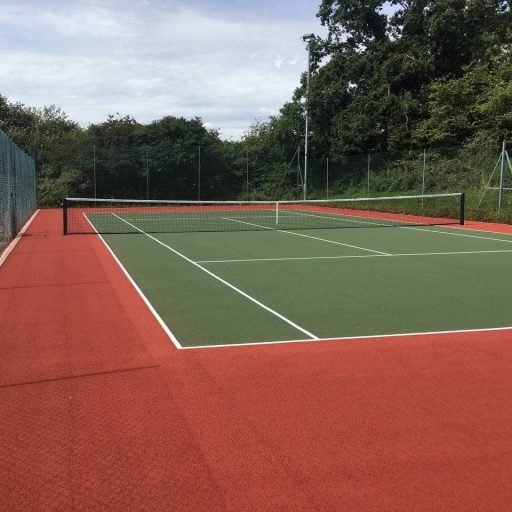
A well-maintained tennis court should provide safe footing, consistent grip, and a reliable playing surface. But as courts age, many begin to develop areas that feel slippery underfoot. This not only affects performance but increases the risk of falls, making the court less enjoyable and potentially unsafe to use. At Tennis Court Construction Sussex, we work with homeowners, clubs, and schools across Sussex to diagnose and fix the issues that lead to surface slipperiness.
Understanding why older courts become slippery—and what can be done about it—helps you protect your investment and keep your court in top playing condition.
Build-Up of Moss, Algae, and Organic Growth
One of the most common causes of slipperiness is biological growth. Outdoor courts, particularly those exposed to shade, dampness, or nearby trees, gradually accumulate:
- Moss
- Algae
- Lichen
- Organic debris
These create a film on the surface that dramatically reduces grip.
How to fix it:
Professional deep cleaning using specialist machinery removes this growth safely. For long-term protection, additional surface treatments may be applied to prevent rapid regrowth.
Porous Surfaces Becoming Clogged Over Time
Porous tennis courts rely on open pores to drain water efficiently. As the court ages, these pores can become blocked by dirt, fine debris, and organic material. When drainage slows, water sits on the surface for longer, creating slippery patches.
How to fix it:
A full rejuvenation process can restore porosity by removing trapped contaminants, improving drainage, and bringing the surface back to a safe, grippy condition.
Surface Wear Reducing Texture
All tennis court surfaces—macadam, artificial grass, and polymeric systems—lose texture as they age. This texture is essential for providing grip both for shoes and ball bounce.
Signs of surface wear include:
- Smooth or polished patches
- Fading colour
- Reduced friction underfoot
- Inconsistent playing performance
How to fix it:
Surface re-coating, re-texturing, or full resurfacing can restore the court’s traction and bring it back to a playable standard.
Standing Water Causing Persistent Damp Areas
Poor drainage, subsidence, and uneven wear can cause depressions where water collects. Standing water leads to slippery conditions long after rainfall and contributes to moss and algae build-up.
How to fix it:
Levelling, repairing depressions, or regrading the court surface helps correct water pooling. Rejuvenation or resurfacing ensures water is shed evenly across the court.
Loose Debris Accumulating on the Court
Leaves, twigs, pollen, and dust settle naturally on outdoor courts. When this debris collects and is not regularly swept away, it creates a fine, slippery layer—especially on artificial grass courts where infill can become contaminated.
How to fix it:
Routine maintenance, including sweeping, blowing, and professional surface cleaning, keeps the court free from loose material and reduces slipperiness significantly.
Age-Related Breakdown of Surface Materials
Over time, UV exposure, weather conditions, and repeated play contribute to the gradual breakdown of the surface materials. As this happens, the court becomes less stable and can feel slick even when dry.
How to fix it:
If the surface has reached the end of its lifespan, resurfacing may be the most effective long-term solution. Modern resurfacing systems also improve playability and safety.
Preventing Slippery Conditions in the Future
Once the court’s grip has been restored, ongoing maintenance plays a major role in keeping it in good condition. Preventative care may include:
- Regular sweeping and debris removal
- Occasional professional cleaning
- Surface inspections for early signs of wear
- Reapplication of coatings when necessary
- Ensuring proper water drainage around the court
These steps help extend the life of the surface and maintain consistent performance year-round.
Conclusion
Old tennis courts often become slippery due to drainage issues, organic growth, surface wear, and accumulated debris. Fortunately, these problems can be resolved through professional cleaning, rejuvenation, repairs, or resurfacing—restoring the court’s safety, appearance, and playability. For homeowners and clubs in Sussex, Tennis Court Construction Sussex offers tailored maintenance and refurbishment solutions to keep your court in top condition.
If your court is becoming slippery or difficult to play on, contact us today to arrange a friendly assessment and expert guidance.
Call us on: 01892 351125
Click here to find out more about Tennis Court Construction Sussex
Click here to complete our contact form and see how we can help with your courts needs.